Listeners:
Top listeners:
-
 play_arrow
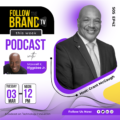
Then Is Now: How a Black Technologist Is Using AI to Reclaim What History Tried to Erase admin
-
 play_arrow
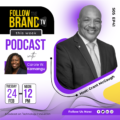
Healthcare AI Readiness, Without The Hype with Carole Kamangu admin
-
 play_arrow
The Human Algorithm: Five Experts Turn AI Into a Brand Authority Engine admin
-
 play_arrow
You Can't Govern What You Can't See: The Shadow AI Crisis admin
-
 play_arrow
When AI Stops Taking Orders and Starts Making Decisions: The Leadership Revolution Nobody Saw Coming admin
-
 play_arrow
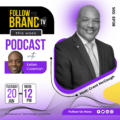
From AI Literacy to Leverage: Building AI-Powered Assets with Kellen Coleman admin


The 7 Different Types of EDM Music

As a bassist, bandleader, teacher, and music copyist, I’ve worked with hundreds of singers throughout the years. Though working musicians know hundreds of tunes, singers need to have good charts in order to have their music played the way they want. I define a “good chart” as a piece of written music that effectively tells the musicians what they should play.


Written music comes in seven basic forms: chord charts, sheet music, songbooks, lead sheets, fake books, master rhythm charts and fully notated parts.
As a musician has a responsibility to play the chart before him correctly, the supplier of the chart has the responsibility of providing the right kind of chart. Knowing what type of chart to use for what kind of tune or gig is very important.
This article explains what the different types of charts are, and under what circumstances to use them. I hope you find it useful.

